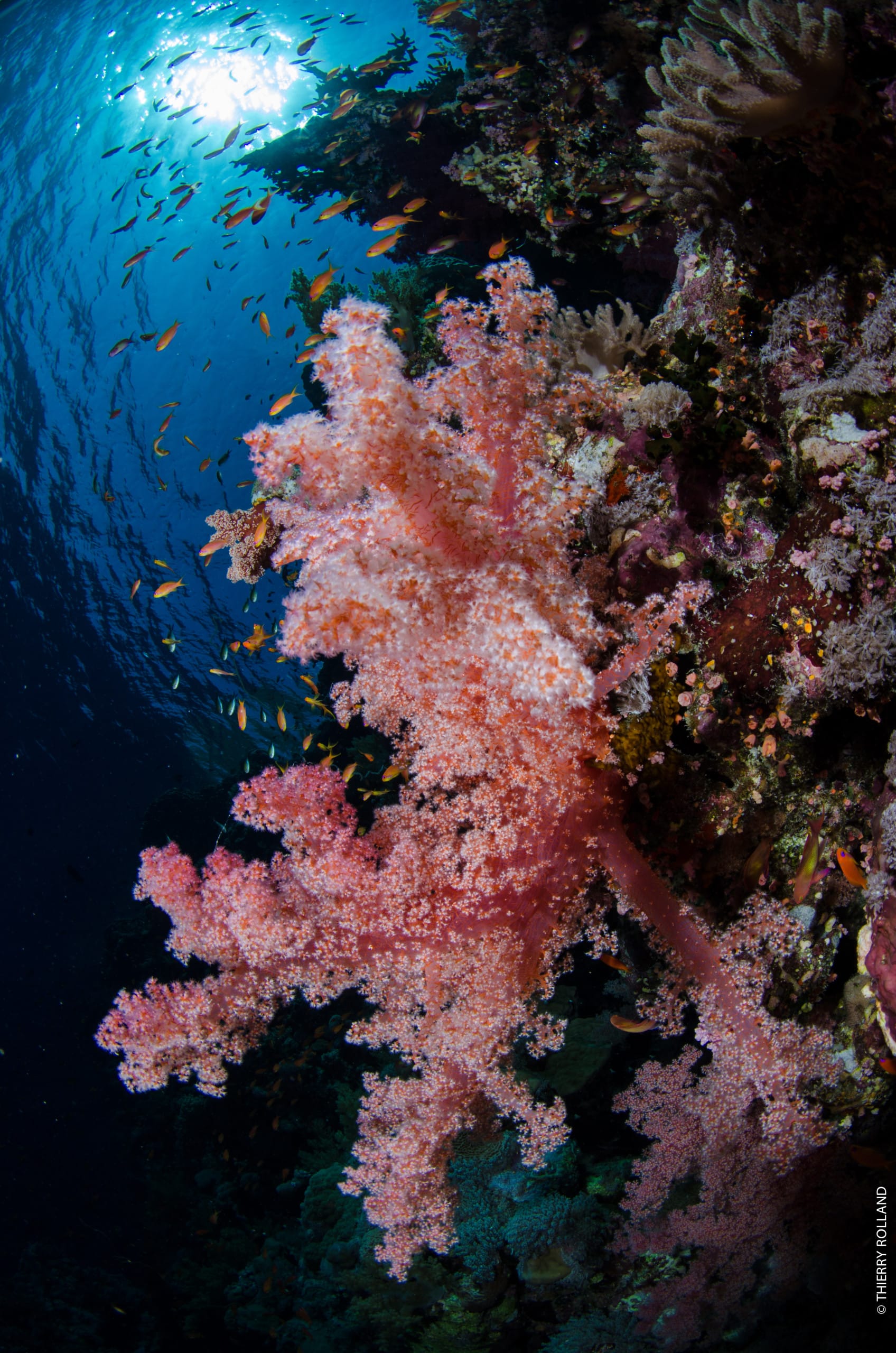
When you look at a map of the Middle East, one name always stands out: the Red Sea. It’s a legendary body of water, famous for its stunning coral reefs, luxurious resorts, and its pivotal role in history. But have you ever stopped to wonder… why is it called the Red Sea?
If you’re picturing waters that are literally crimson red, you might be surprised. From space or the deck of a boat, the Red Sea typically shimmers in brilliant shades of blue and turquoise. So, where did the name come from?
The truth is, no one knows for absolute certain. The name is ancient, and its origins are lost to time, but historians, linguists, and scientists have some fascinating theories. Let’s dive into the most popular explanations.
Theory 1: The Seasonal Algae Bloom (The Most Likely Candidate)
This is the most scientifically plausible explanation. The Red Sea is home to a unique type of algae called Trichodesmium erythraeum. Periodically, these algae undergo a massive “bloom,” reproducing so rapidly that they turn the surface of the water a reddish-brown color.
The ancient Greeks and Romans, who were prolific traders and sailors in the region, would have witnessed this phenomenon. The Greek name for the sea, Erythra Thalassa, translates directly to “Red Sea.” It’s very likely they named it after these seasonal, rust-colored blooms.
Theory 2: The Translational Misunderstanding (A Historical Mix-Up)
Some scholars propose that the name came from a mistranslation of ancient languages. In ancient Semitic languages, the directions were sometimes associated with colors:
Red could symbolize South.
Black could symbolize North (hence the Black Sea, north of the ancient civilizations).
According to this theory, the “Red Sea” might have simply meant the “Southern Sea,” lying to the south of the Mesopotamian and Egyptian empires. The name then stuck as it was passed down through different cultures and translations.
Theory 3: The Desert Mountains (The Reflection Hypothesis)
If you’ve ever seen the dramatic landscapes surrounding the Red Sea, you’ll know it’s bordered by rugged, reddish-brown mountain ranges and deserts. These are the Hijaz Mountains on the eastern shore.
One theory suggests that the sea got its name from the stunning reflection of these rust-colored mountains on the water’s surface at sunrise or sunset. For ancient travelers, the sight of the red-hued landscape mirrored in the sea would have been a powerful and memorable image, naturally leading to the name.
Theory 4: The Coral Reefs Beneath the Surface
While the surface water is blue, the Red Sea is world-renowned for its vibrant coral reefs. When viewed from above the water, the rich, reddish and pink-toned corals can create a reddish tint in the shallow coastal areas. This theory is less common, but it’s a beautiful notion that the name comes from the spectacular underwater world that makes the sea so famous today.
Theory 5: The Biblical and Historical Connection
For many, the Red Sea is inextricably linked to the Biblical story of Exodus, where Moses parts the waters to allow the Israelites to escape from Egypt. While many modern scholars believe the Hebrew term Yam Suph is better translated as “Sea of Reeds,” early Greek translations of the Bible used the term “Erythra Thalassa” (Red Sea). This widespread use of the name in religious texts helped cement it in Western culture.
So, Which One is Correct?
The most widely accepted theory is the first one—the seasonal bloom of red algae. It’s a direct, observable natural event that perfectly explains the name. However, it’s also possible that a combination of factors contributed. The reddish mountains and the occasional algae bloom, witnessed by ancient sailors, likely solidified the name “Red Sea” across cultures.
The Takeaway: A Name Shrouded in Beauty and Mystery
The Red Sea may not be a giant pool of red Kool-Aid, but its name carries a mystery as deep and intriguing as its waters. Whether it was named for its biology, its geography, or a historical mix-up, the name has endured for millennia.
It reminds us that the world was explored and named by people who interpreted it through their own experiences, and sometimes, the most enduring names come from the most poetic observations.
Ready to explore the stunning blues (and maybe a hint of red?) of the Red Sea for yourself?